


March 10, 2026
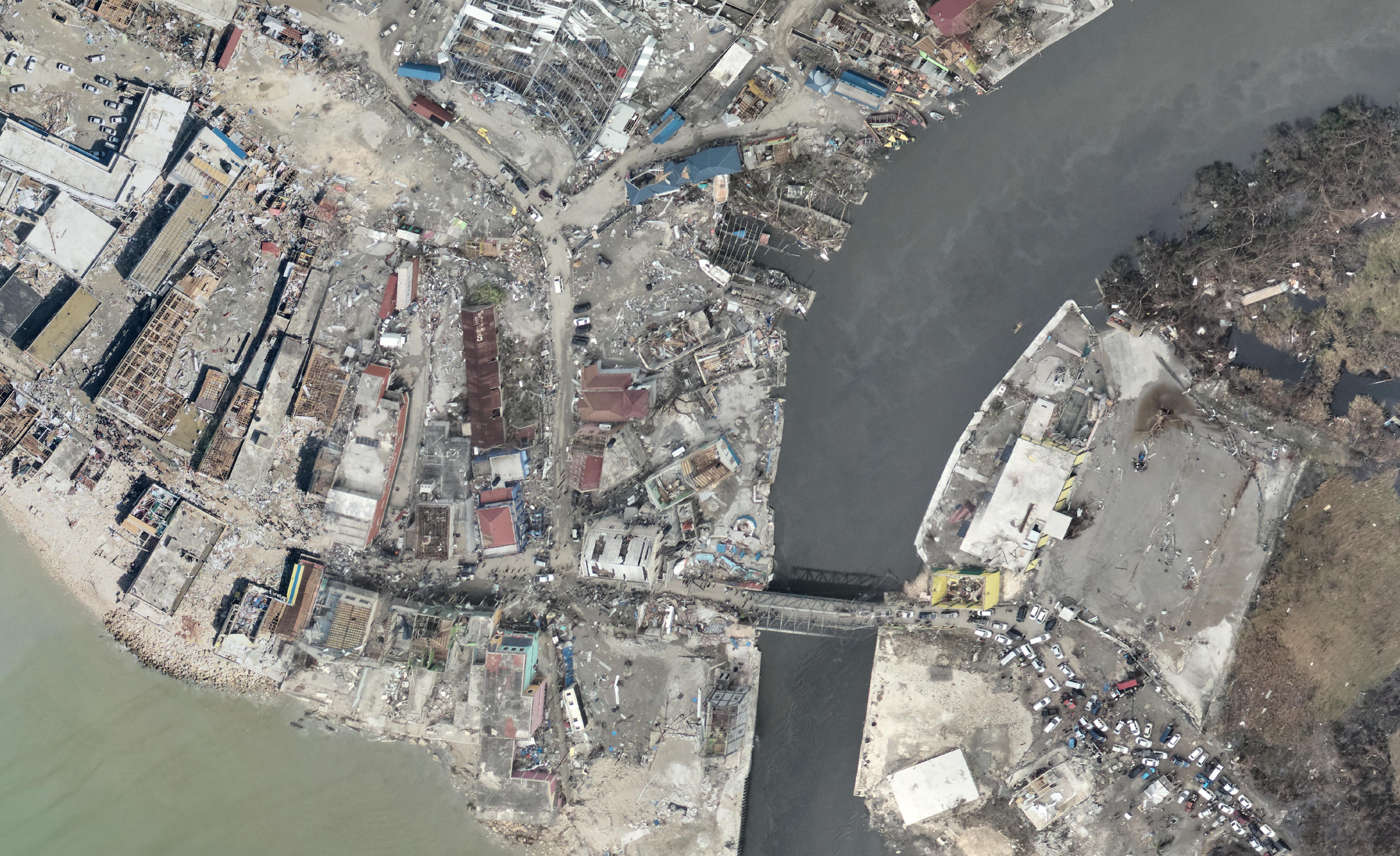
These two satellite images, captured on October 14, 2023, and October 31, 2025, show the extent of damage left to the town of Black River in Saint Elizabeth Parish, south west Jamaica in the wake of Hurricane Melissa, one of the Atlantic Basin’s most powerful hurricane landfalls on record.
The Category 5 hurricane made landfall in Jamaica on October 28th, striking the island’s southwest with estimated maximum sustained winds of 295 km/h, according to the National Oceanic and Atmospheric Administration’s Hurricane Centre.
At least 45 people died in Jamaica as a result of the hurricane, which directly affected some 90,000 homes and destroyed more than 100,000 buildings. In the communities of Black River, the capital of the parish of St. Elizabeth, alone, approximately 314 buildings were identified as destroyed and more than 1,100 damaged last October.
Black River was among the worst areas impacted by the landfall of Hurricane Melissa. As the image above shows, homes and businesses have been reduced to skeletons and cars have been lifted and piled together from the strength of the winds and flooding.
The hurricane has left nearly five million metric tonnes of waste across Jamaica. It has caused severe damage to the energy grid, the agricultural sector, contaminated water sources and interrupted food supply. The UN Development Program (UNDP) has initially estimated the damage caused by the hurricane amounts to 30% of Gross Domestic Product. Cuba and Haiti were also affected by the destruction of Hurricane Melissa after it passed through Jamaica, with tens of thousands more displaced.
The Caribbean Islands are extremely vulnerable to intensifying climate events given their location and exposed coastal communities. Much like other island nations, the people of the Caribbean have contributed marginally to global C02 emissions but find themselves on the front line of the climate crisis.
Credits:
2024: Google Airbus
2025: US NOAA